Watch Smart: Your No-Nonsense Privacy Guide for Streaming Adult Content Online
Let's be real: most people watching adult content online aren't thinking about their digital footprint in the moment. That's understandable. But a few basic habits can make a significant difference in how much of your activity gets logged, tracked, shared, or potentially exposed. And in an era where data brokers, browser fingerprinting, and third-party cookies are the norm, a little awareness goes a long way.
This isn't about shame or paranoia. It's about being a smart, informed consumer — the same way you'd use a secure payment method when shopping online or lock your front door when you leave the house. Privacy is a practical concern, not a moral one.
Here's what you actually need to know.
Start with Your Browser Setup
Your browser is the first line of defense, and most people are using it in a way that leaves a pretty detailed trail.
The most immediate step: use your browser's private or incognito mode when viewing adult content. This prevents your browsing history, cookies, and form data from being stored locally on your device. It won't make you invisible online — your internet service provider (ISP) can still see that traffic — but it keeps things off your device, which matters if you share a computer or a household.
For stronger protection, consider switching to a privacy-focused browser like Firefox with uBlock Origin installed, or Brave, which blocks ads and trackers by default. These browsers don't just hide your history — they actively prevent the tracking scripts that many adult sites (and the ad networks they work with) use to build profiles on visitors.
Also worth doing: clear your cookies regularly, and consider using separate browser profiles for different types of browsing. It takes about three minutes to set up and creates a meaningful separation between your general internet use and your private viewing habits.
VPNs: Worth It, With Caveats
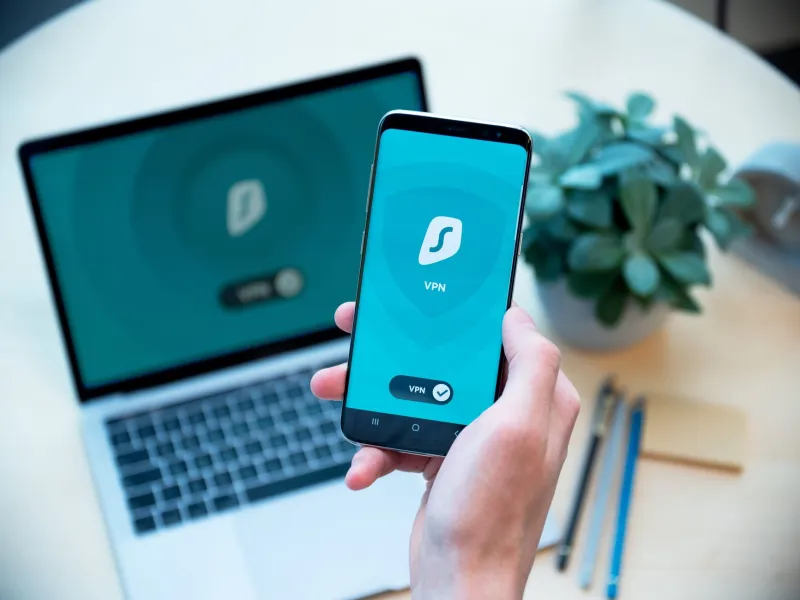
A Virtual Private Network (VPN) routes your internet traffic through a server in a location of your choosing, masking your real IP address and encrypting your connection. For adult content viewers, the two main benefits are: your ISP can't see which specific sites you're visiting, and the sites themselves don't log your actual IP address.
The US has no blanket legal restrictions on adult content consumption (for adults), but ISP data retention practices vary, and some users simply prefer that their streaming habits not be part of any logged record. A VPN addresses that directly.
However — and this matters — not all VPNs are created equal. Free VPNs are almost universally a bad idea. Many of them log your traffic and sell it, which is the exact opposite of what you want. Paid services with clear no-logs policies and independent audits are the ones worth using. Reputable options used widely in the US include Mullvad, ProtonVPN, and ExpressVPN. Look for providers that have undergone third-party audits of their no-logs claims.
One practical note: a VPN will sometimes slow your connection slightly, which can affect streaming quality. Choose a server geographically close to you for the best balance of privacy and performance.
Payment Methods and Financial Privacy
This is an area where a lot of people don't think carefully enough. Subscribing to a premium adult platform with your regular debit card creates a transaction record that could appear on bank statements — which matters if you share finances with a partner or family member, or if you're simply privacy-conscious about your purchase history.
A few alternatives worth considering:
Prepaid debit cards — available at most US drugstores and supermarkets — can be used for online purchases without linking to your bank account. Load them with cash, use them for subscriptions, done.
Virtual card numbers — services like Privacy.com let you generate single-use or merchant-locked card numbers tied to your real account but without exposing your actual card details. It also lets you set spending limits, which is useful for avoiding unwanted recurring charges.
Cryptocurrency — some premium platforms accept Bitcoin or other cryptocurrencies. Transactions are pseudonymous (not fully anonymous, but significantly more private than a credit card), and there's no bank statement entry to explain.
For platforms that appear on credit card statements with a generic company name rather than the site's actual name, that's a deliberate policy by many adult platforms — but it's worth checking before you subscribe if that's a concern for you.
Device Security Basics
Your device itself is part of the privacy equation. A few fundamentals:
Keep your operating system and browser updated. Security patches close vulnerabilities that could be exploited by malicious ads or scripts — a real risk on sites with lower-quality ad networks (which, to be fair, is more of an issue on free tube sites than on reputable premium platforms).
Be cautious about which apps you download. Some sketchy adult content apps request excessive permissions — access to your contacts, location, or camera — that have nothing to do with their stated function. Stick to streaming through browsers on reputable platforms rather than downloading unfamiliar apps.
If you're on a shared device, set up a separate user account for private use. Most operating systems support multiple user profiles, and this creates a clean separation that's more reliable than relying on incognito mode alone.
Managing Your Digital Footprint Over Time
Even with good habits, some data accumulates over time. A few periodic maintenance steps are worth building into your routine:
- Clear browser cookies and cached data monthly, or use a browser that does this automatically.
- Review the accounts you have on adult platforms and delete any you're no longer using. Dormant accounts with stored payment info are unnecessary risk.
- Check whether any email addresses associated with adult site accounts have appeared in data breaches using a service like Have I Been Pwned (haveibeenpwned.com). If they have, change the password and consider using a separate alias email for adult platform accounts.
- Use strong, unique passwords for every platform. A password manager like Bitwarden (free and open-source) makes this effortless.
The Bottom Line
None of this is complicated, and you don't have to implement all of it at once. Even one or two of these steps — using a privacy-focused browser, switching to a paid VPN, or using a prepaid card for subscriptions — meaningfully reduces your exposure.
Premium adult content is a legitimate, legal part of how millions of American adults choose to spend their time online. Enjoying it thoughtfully, with a basic awareness of your privacy, is just good digital hygiene. You deserve both the content and the peace of mind.