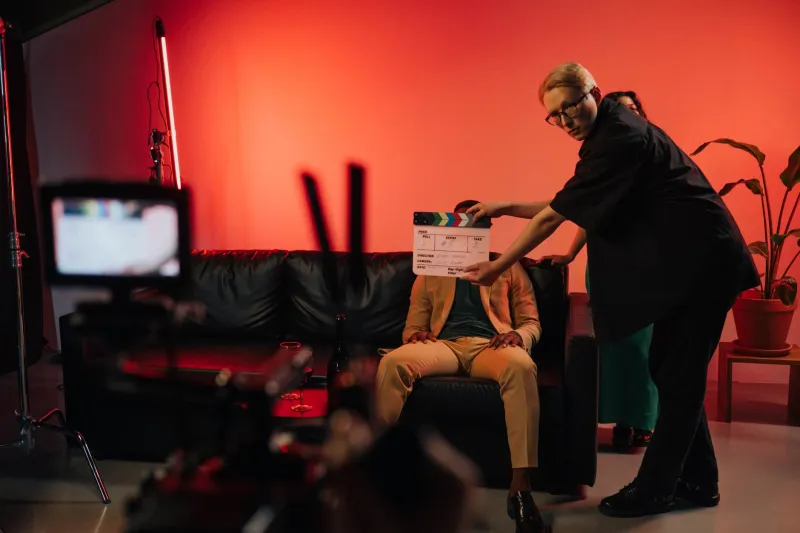
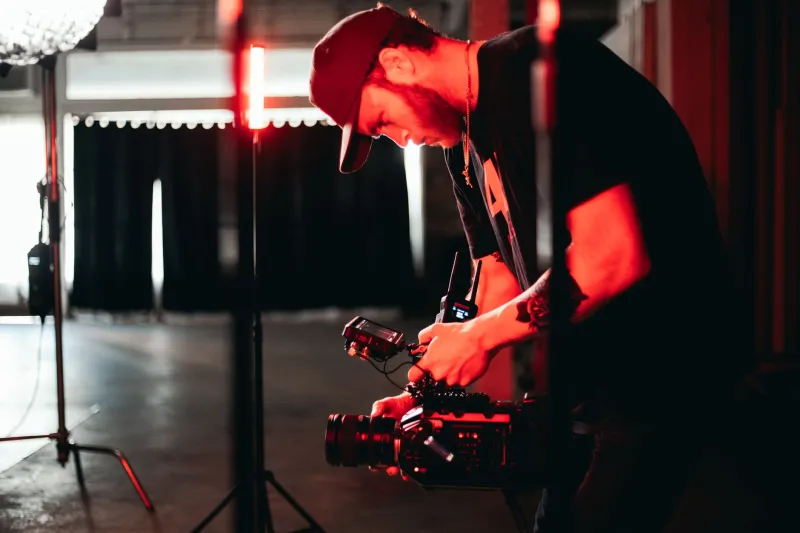
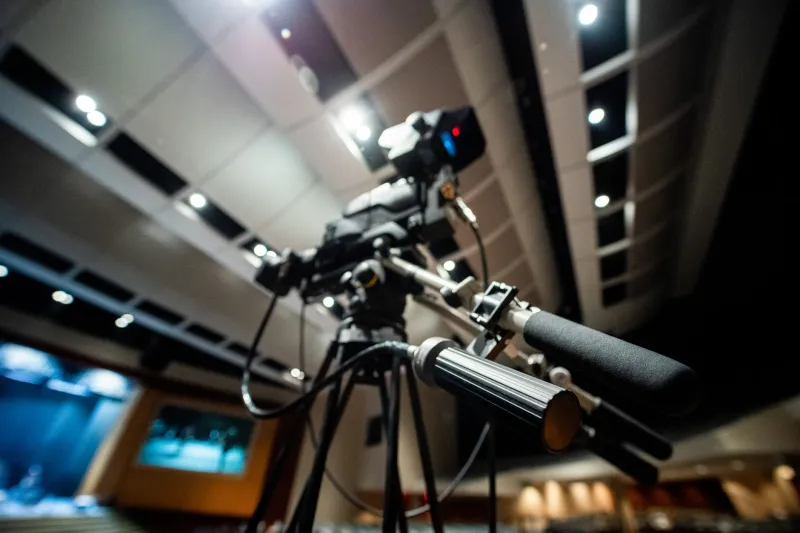
Light, Lens, and Legacy: The Technical Revolution Behind Adult Film's Most Powerful Visuals
There's a moment in any well-shot adult film where you forget you're watching a production. The lighting hits just right, the framing feels intentional, and the camera seems to know exactly where to be. That's not luck — that's craft. And it's a craft that's evolved enormously over the past few decades, shaped by technological leaps, shifting viewer expectations, and a growing community of cinematographers who take their work seriously.
At HD Mad Thumbs, we spend a lot of time thinking about what separates premium visual content from the rest of the pile. Spoiler: it almost always comes down to what happens behind the camera.
From VHS Grain to 4K Clarity: A Quick History
Cast your mind back to the late '80s and early '90s. Adult content was shot on magnetic tape under whatever fluorescent lighting the production could afford. Grain, washed-out skin tones, and static camera angles were the norm. Nobody was thinking about depth of field or color temperature — the goal was simply to capture something on tape that wouldn't look completely unwatchable.
The DVD era changed things meaningfully. Higher resolution formats forced productions to clean up their visual act. Suddenly, bad lighting wasn't just aesthetically unpleasant — it was distractingly obvious. Studios that wanted to compete started hiring crew members who actually understood three-point lighting setups, and the baseline quality of the average production crept upward.
Then came HD. And then 4K. And with each jump in resolution, the margin for error shrank further. A mediocre lighting setup that might have been passable on DVD looks genuinely rough on a 65-inch 4K display. The technology forced the industry's hand, and the result — for viewers who care about what they're watching — has been a noticeable and welcome improvement across the board.
The Lighting Question Nobody Talks About Enough
Ask any experienced adult cinematographer what separates good content from great content, and they'll almost always start with lighting. It's not glamorous to talk about, but it's foundational.
Soft, diffused light is the workhorse of high-end adult production. Large softboxes, silk diffusers, and bounced light sources create the kind of even, flattering illumination that makes performers look their best without flattening the image into something clinical. The goal is warmth without muddiness, clarity without harshness.
Color temperature matters too, and it's a detail that separates truly polished productions from everything else. Mixing light sources with different Kelvin ratings — say, a daylight-balanced LED panel alongside a tungsten practical lamp — creates color casts that are immediately visible on modern high-resolution displays. Top-tier productions control this obsessively, ensuring the color palette feels intentional rather than accidental.
One technique that's gained traction in premium productions is motivated lighting — the practice of making artificial light sources appear to come from somewhere logical within the scene. A lamp on a bedside table, light filtering through a window, the glow of a screen. It gives the image a sense of place and naturalism that purely technical lighting setups often lack.
Framing as a Language
Camera placement and framing aren't just practical decisions — they're communicative ones. Where the camera sits in relation to the action determines what the viewer feels, not just what they see.
Close-ups create intimacy and intensity. Wide shots establish context and can feel voyeuristic in a way that draws the viewer into the scene. Dutch angles, while rare in adult content, can introduce a sense of disorientation or heightened emotion when used sparingly. The choice of focal length — whether you're shooting with a wide 24mm or a compressed 85mm — changes the spatial relationship between performers and background in ways that subtly affect the emotional register of the scene.
High-definition technology has made lens choice more consequential than ever. Shooting wide open at a shallow depth of field, for example, creates a cinematic look that separates a subject from a beautifully blurred background. It's a technique borrowed directly from narrative filmmaking, and it's increasingly common in premium adult productions that want to signal visual seriousness to their audience.
Movement: When to Push In and When to Hold
Camera movement is where a lot of productions either elevate themselves or fall apart. Unmotivated movement — a zoom or push that doesn't serve the emotional arc of the scene — reads as amateurish on modern displays. Viewers who've grown up watching prestige television and high-budget streaming content have internalized a visual grammar, and content that violates it without purpose feels off, even if they can't articulate exactly why.
The best adult cinematographers treat camera movement the way a good editor treats cuts: sparingly, with intention, and in service of what the viewer is feeling. A slow push-in during a moment of building intensity. A static locked-off shot that lets the action breathe. A handheld follow that creates energy without tipping into chaos.
Stabilization technology — gimbals, motorized sliders, electronic image stabilization — has made fluid movement more accessible to productions at every budget level. But accessibility isn't the same as wisdom. Knowing when to move the camera is still an art, and it's one that distinguishes truly skilled cinematographers from operators who are simply showing off their gear.
What HD Viewers Actually Expect Now
Here's the honest reality: the audience for premium adult content in 2024 is more visually literate than at any point in history. They're watching on large, high-resolution screens. They have access to extremely high-quality content from multiple platforms. Their baseline expectations have shifted dramatically.
Grainy, poorly lit, statically shot content reads as low-effort in a way it simply didn't twenty years ago. The productions that are winning audience loyalty — the ones that people actively seek out and pay for — are consistently the ones that treat visual quality as a non-negotiable rather than an afterthought.
At HD Mad Thumbs, this is exactly the standard we hold content to. High-definition isn't just a resolution spec — it's a commitment to giving viewers something that actually looks as good as it feels. And the cinematographers, directors of photography, and lighting technicians doing this work deserve recognition for the craft they bring to it every single day.